About
A psychologist shaped by the places she didn't stay.
Trained in Japan. Practising across five continents. Still working on the same question I started with — what does a person need in order to feel safe enough to be themselves?
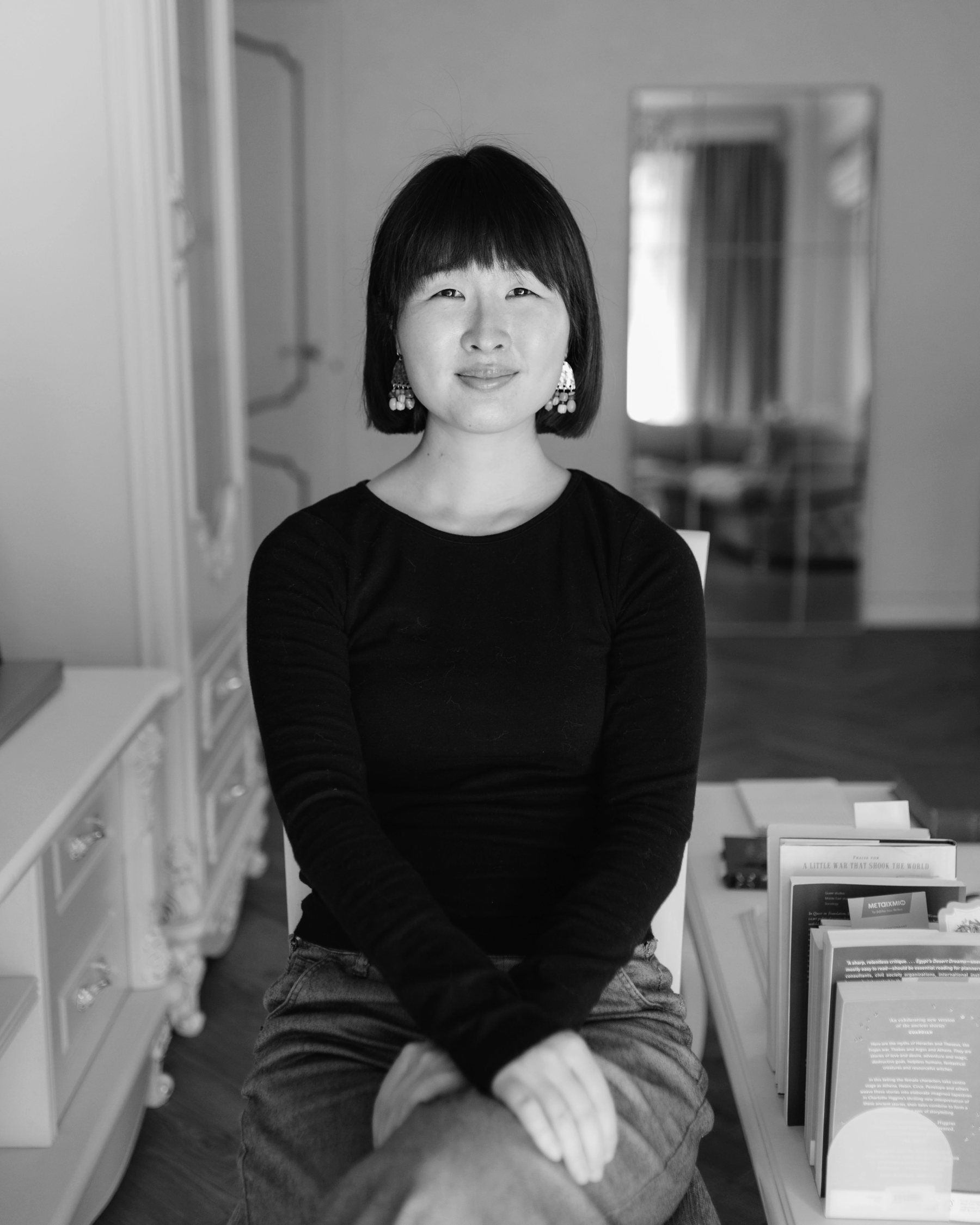
The common thread was never the population. It was that every person I sat with had been made small by the environment around them — and had stopped trusting what they felt.Sumire Sato
The story
Where the work came from.
I began in Japan, working with adolescents whose difficulties were read as delinquency rather than distress. My master's research was on youth mental health, and for eight years I have led the NGO I founded, building spaces where teenagers can arrive as they are.
That work taught me something clinical training didn't: that a person's suffering is rarely only theirs. It sits inside a family, a school, a workplace, a set of policies, a culture that decides which feelings are acceptable to have out loud.
Over the years the work widened — refugees, immigrants, women living under expectations they never agreed to, expatriates quietly unmoored by their fourth relocation. I stopped treating these as separate specialisms. They are the same question, asked in different languages.
Today I practise online across time zones, with more than 3,000 sessions behind me and a caseload that is currently full. I have trained, travelled or worked in more than 35 countries — not as a tourist, but alongside the practitioners doing the work there.


Early career
Government Clinical Psychologist, Japan.
After completing my master's degree in Clinical Psychology, I sat the highly competitive civil service examination and went on to work as a Clinical Psychologist within Japan's public mental health system.
In that role I worked directly on some of the system's most difficult cases — suicide prevention, child abuse, domestic violence, family crises — often inside child welfare centres and shelters, at the point a family's situation had become a crisis.
Collaborating daily with multidisciplinary teams and government agencies under real institutional pressure shaped my clinical judgement — reading a crisis quickly, working inside a system, and holding both the individual and the structures pressing on their life.
Selected path
A career in five movements.
-
Training
Clinical psychology, Japan
Qualified inside Japan's clinical psychology system, with master's research on adolescent mental health.
-
Founding
Youth mental health NGO — 8 years and running
Founder and representative of a Japanese NGO creating safe spaces for marginalised young people, including the “Yancha dera” temple youth programme.
-
Supporting
UNHCR — Refugee Higher Education Program
Clinical psychologist and counsellor with the UN Refugee Agency's RHEP, providing psychological support to university students with refugee backgrounds as they continued their studies in Japan on UN-supported scholarships.
-
Standing
Kusatsu City Council election — lost by five votes
I ran for a seat on Kusatsu City Council, and missed being elected by five votes. I stood because the budgets shaping mental health support are decided in rooms young people, women and marginalised communities are rarely in — one more way I've tried to contribute to minority rights and social issues, alongside my clinical work.
-
Now
International online practice
Working through global platforms — OpenUp, Intellect, MindFi, Spring Health, Expathy and Trova Health — alongside a private caseload, plus speaking, consulting and writing.

I stopped thinking of these as separate specialisms. They are the same clinical question, asked in different languages.
What I believe
Mental health is not only personal.
Throughout my career the common thread has stayed the same: helping people reconnect with themselves, develop emotional safety, and feel free to be who they truly are.
Many of the difficulties people bring to therapy are not individual failures. They are the felt experience of structures — immigration systems, workplace cultures, gender expectations, public policy — pressing on a life.
Treating the individual and ignoring the structure is half the job. So the work runs on two tracks: sitting with one person for fifty minutes, and pushing for systems and leadership diverse enough to notice who is currently being left out of the budget.
- Emotional safety first. Nothing useful happens before it.
- Culture is clinical data, not background colour.
- Adapt the model to the person. Never the reverse.
- Advocacy is part of care, not a separate hobby.
Languages
Sessions in English and Japanese. Long experience working with interpreters and with clients whose emotional language is neither of the above.
Platforms
OpenUp · Intellect · MindFi · Spring Health · Expathy · Trova Health — a decade of cross-border practice across five global providers.
Fields
Refugee and migrant mental health · youth work · women's mental health · organisational wellbeing · trauma recovery · community development.
Next step
If any of this sounds like the person you've been looking for.
Sessions are online, confidential, and available across time zones.